

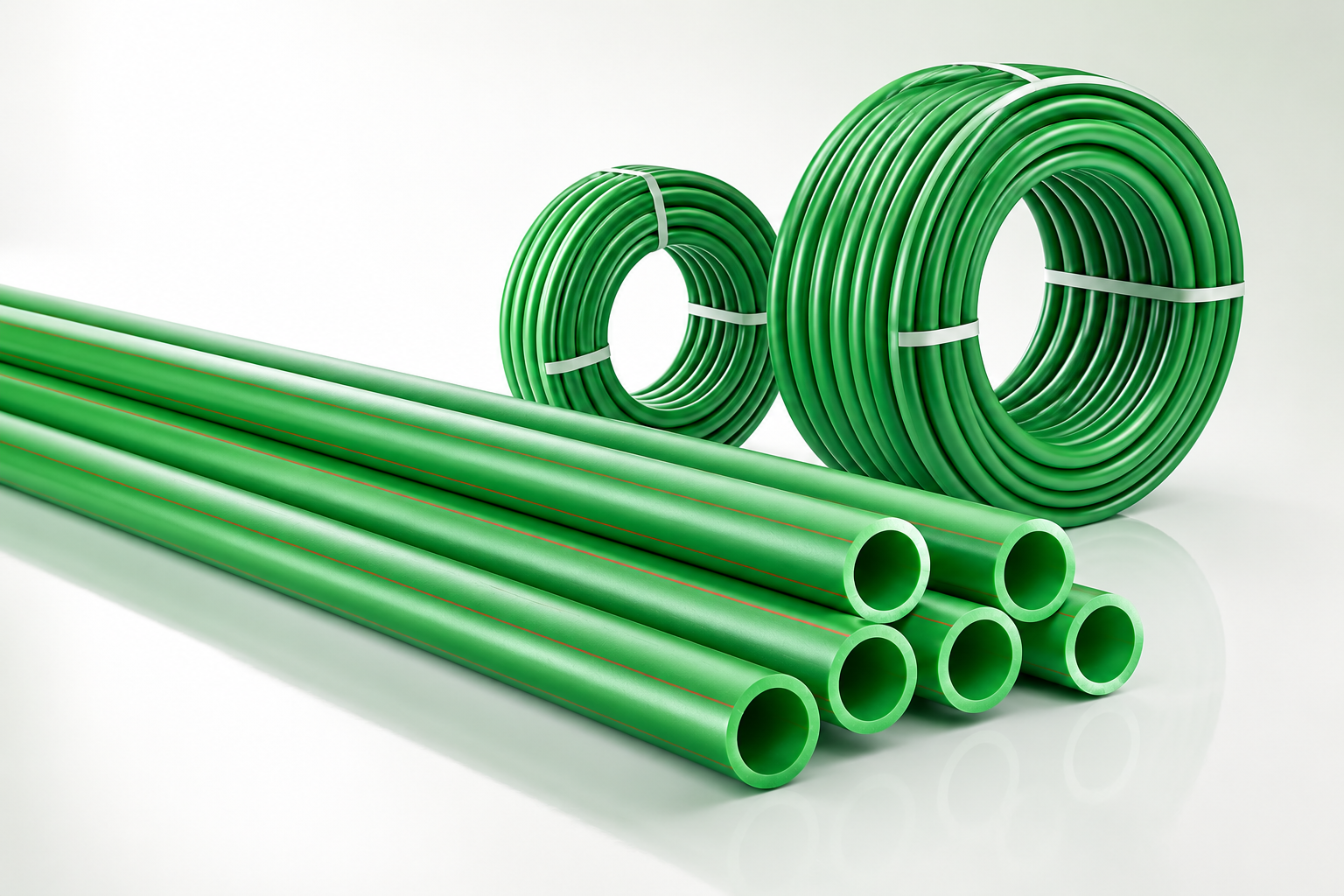
PPR pipes have become one of the most widely used plumbing solutions in Kenya due to their durability, corrosion resistance, and ability to handle both hot and cold water systems. Whether you’re constructing a new home, upgrading an existing plumbing system, or working on a commercial project, choosing the right PPR pipes is essential for long-term performance and reliability.
With various pipe sizes, pressure ratings, brands, and fittings available on the market, selecting the right product can be challenging. Understanding the different options and their prices helps you make informed decisions while staying within your project budget.
In this guide, we’ll explain everything you need to know about PPR pipes in Kenya, including the available types, standard sizes, estimated prices, common applications, and practical buying tips to help you choose the right plumbing solution.
What Are PPR Pipes?
PPR (Polypropylene Random Copolymer) pipes are thermoplastic pipes designed for plumbing systems that transport both hot and cold water. They are manufactured from high-quality polypropylene material, making them resistant to corrosion, chemical reactions, and scaling that commonly affect traditional metal pipes.
Unlike galvanized steel pipes, which may rust over time, PPR pipes maintain a smooth internal surface that supports efficient water flow and minimizes maintenance. The pipes are joined using a heat fusion process, creating strong, leak-proof connections that become as durable as the pipe itself.
Because of these qualities, PPR pipes are widely used in residential homes, apartments, commercial buildings, hospitals, schools, hotels, and industrial facilities across Kenya.
Common Applications of PPR Pipes
PPR pipes are suitable for a wide range of plumbing and water distribution systems, including:
- Hot and cold water supply systems
- Residential plumbing installations
- Commercial and office buildings
- Industrial water distribution
- Hospitals and healthcare facilities
- Schools and educational institutions
- Hotels and hospitality projects
- Irrigation and agricultural water systems
Why Choose PPR Pipes?
PPR pipes have become the preferred choice for many contractors and homeowners because they offer several advantages over conventional piping materials.
Some of the key benefits include:
- Excellent resistance to corrosion and rust
- Suitable for both hot and cold water applications
- Long service life with minimal maintenance
- Smooth inner surface for improved water flow
- Leak-proof joints through heat fusion welding
- Safe for drinking water systems
- Lightweight and easy to transport and install
These advantages make PPR pipes a cost-effective plumbing solution for projects of all sizes, from small residential homes to large commercial developments.
Types of PPR Pipes
PPR pipes are classified according to their pressure rating (PN), which indicates the amount of pressure the pipe can safely withstand under normal operating conditions. Choosing the correct PN rating is important because it determines whether the pipe is suitable for cold water, hot water, or high-pressure plumbing systems.
The four most common types of PPR pipes available in Kenya are PN10, PN16, PN20, and PN25.
| PPR Pipe Type | Pressure Rating | Common Applications |
| PN10 | 10 Bar | Cold water supply, low-pressure plumbing |
| PN16 | 16 Bar | Residential cold water systems |
| PN20 | 20 Bar | Hot and cold water installations |
| PN25 | 25 Bar | High-pressure and commercial plumbing systems |
Note: The higher the PN rating, the greater the pipe’s ability to withstand pressure and temperature. Always choose a pressure class that matches your plumbing system’s requirements.
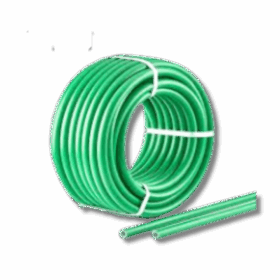
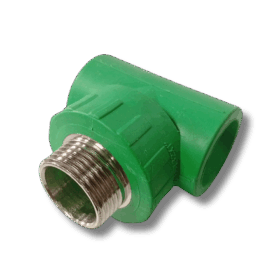
PN10 PPR Pipes
PN10 pipes are designed for low-pressure cold water applications. They are commonly used in residential plumbing systems where water pressure is relatively low and hot water is not required.
Best suited for:
- Cold water distribution
- Low-pressure residential systems
- Irrigation projects
PN16 PPR Pipes
PN16 pipes offer a higher pressure rating than PN10 and are commonly used in standard residential plumbing installations. They provide a good balance between durability and affordability for everyday water supply systems.
Best suited for:
- Residential homes
- Apartment buildings
- Cold water supply networks
PN20 PPR Pipes
PN20 is one of the most widely used PPR pipe types because it is suitable for both hot and cold water systems. It offers excellent durability and is a preferred choice for modern residential and commercial plumbing projects.
Best suited for:
- Hot and cold water plumbing
- Residential buildings
- Hotels
- Schools
- Commercial properties
PN25 PPR Pipes
PN25 pipes are manufactured for demanding applications where higher pressure and temperature resistance are required. They are commonly installed in commercial buildings, industrial facilities, and large plumbing systems.
Best suited for:
- Commercial buildings
- Industrial water systems
- Hospitals
- High-pressure plumbing installations
Which PPR Pipe Type Should You Choose?
The right PPR pipe depends on your plumbing requirements.
- PN10 – Ideal for low-pressure cold water systems.
- PN16 – Suitable for most residential cold water installations.
- PN20 – The best all-round choice for both hot and cold water plumbing.
- PN25 – Recommended for commercial and high-pressure applications.
For most homeowners in Kenya, PN20 PPR pipes provide the best balance between durability, performance, and value, making them the most common choice for domestic plumbing systems.
PPR Pipe Sizes
PPR pipes are available in different diameters to accommodate varying water flow requirements. The right pipe size depends on the type of building, the number of water outlets, and the intended application. Using the correct size helps maintain consistent water pressure and ensures the plumbing system operates efficiently.
The table below outlines the most common PPR pipe sizes available in Kenya and their typical applications.
| PPR Pipe Size | Common Applications |
| 20mm | Household water supply, bathrooms, kitchens |
| 25mm | Main supply lines for residential homes |
| 32mm | Multi-storey homes, apartments, commercial buildings |
| 40mm | Schools, hospitals, hotels, industrial plumbing |
| 50mm | Large commercial and industrial water systems |
| 63mm and above | Municipal, industrial, and large-scale water distribution |
20mm PPR Pipes
The 20mm PPR pipe is the smallest and most commonly used size in residential plumbing. It is ideal for connecting water to individual fixtures such as sinks, showers, toilets, and kitchen taps.
Best for:
- Bathrooms
- Kitchens
- Household water outlets
- Small residential plumbing systems
25mm PPR Pipes
A 25mm PPR pipe is typically used as the main water supply line within residential buildings. It provides a higher flow rate than 20mm pipes, making it suitable for distributing water to multiple outlets.
Best for:
- Main household water supply
- Residential homes
- Small apartment buildings
32mm PPR Pipes
The 32mm PPR pipe is commonly installed in larger residential properties and commercial buildings where greater water demand is expected.
Best for:
- Apartment complexes
- Commercial buildings
- Large residential homes
- Small industrial facilities
40mm, 50mm and Larger PPR Pipes
Larger-diameter PPR pipes are designed for projects that require high water flow, such as commercial developments, hospitals, hotels, factories, and industrial installations.
These sizes are generally used for main distribution lines rather than individual plumbing fixtures.
Best for:
- Commercial developments
- Hotels
- Hospitals
- Industrial water systems
- Large-scale plumbing projects
How to Choose the Right PPR Pipe Size
Selecting the correct pipe size is essential for maintaining proper water pressure and ensuring efficient water distribution throughout your building.
When choosing a PPR pipe size, consider:
- The size of the building.
- The number of water outlets.
- Expected water demand.
- Whether the pipe will serve as a main supply line or a branch connection.
- Future expansion of the plumbing system.
If you’re unsure which size to use, consult a qualified plumber or supplier before purchasing your materials. Choosing the wrong pipe size can lead to reduced water pressure, inefficient flow, and costly modifications later.
PPR Pipe Prices in Kenya (2026)
The price of PPR pipes in Kenya varies depending on the pipe size, pressure rating (PN), brand, and supplier. Larger pipes and those with higher pressure ratings generally cost more because they require more material and are designed for more demanding plumbing applications.
The table below provides estimated market prices to help you budget your plumbing project.
| PPR Pipe Size | Estimated Price Range (KES) | Common Application |
| 20mm | 250–600 | Household plumbing and water outlets |
| 25mm | 400–900 | Residential water supply lines |
| 32mm | 700–1,500 | Apartments and commercial buildings |
| 40mm | 1,200–2,500 | Hotels, schools, and hospitals |
| 50mm | 2,000–4,000 | Commercial and industrial plumbing |
| 63mm+ | 3,500+ | Large-scale water distribution systems |
Note: These are estimated price ranges. Actual prices may vary depending on the pipe length, PN rating, manufacturer, supplier, and market conditions. Always request an updated quotation before making a purchase.
What Affects PPR Pipe Prices?
If you’ve received quotations from different suppliers, you may have noticed price differences even for pipes of the same size. Several factors influence the final cost.
Pipe Size
Larger-diameter pipes require more raw material, making them more expensive than smaller sizes.
Pressure Rating (PN)
Pipes with higher pressure ratings, such as PN20 and PN25, are designed to withstand greater pressure and temperature, which generally increases their price.
Brand
Established manufacturers often charge more because of stricter quality standards, product certifications, and longer service life.
Pipe Length
Most PPR pipes are supplied in standard lengths, but the total cost of your project will depend on the number of pipes required.
Supplier and Location
Prices can differ between suppliers and may also be affected by transportation costs, especially for projects outside major towns and cities.
Estimated Plumbing Cost by Project Size
While the price of individual pipes is important, many homeowners prefer estimating the total material cost for their plumbing project.
| Project Type | Estimated PPR Pipe Material Cost (KES) |
| Small 2-bedroom house | 15,000–35,000 |
| Standard 3-bedroom house | 30,000–70,000 |
| Large 4-bedroom house | 60,000–120,000+ |
| Commercial Building | Varies depending on design and water demand |
These estimates cover PPR pipes only and exclude fittings, valves, labour, fusion welding, storage tanks, and other plumbing accessories.
Where Can You Buy PPR Pipes in Kenya?
PPR pipes are available from plumbing suppliers, hardware stores, and building material dealers across Kenya. When comparing suppliers, don’t focus on price alone. Also consider:
- Product quality and certifications
- Available pipe sizes and pressure ratings
- Warranty or manufacturer support
- Availability of matching PPR fittings
- Delivery options for large projects
Buying pipes and fittings from the same supplier can also help ensure compatibility during installation
PPR Fittings
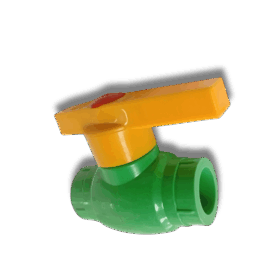
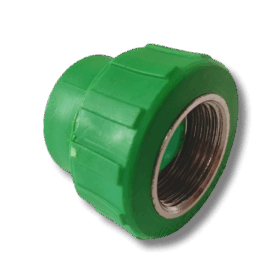
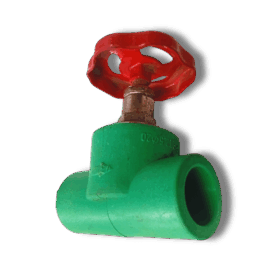
PPR fittings are essential components used to connect, redirect, or control the flow of water within a PPR plumbing system. While the pipes transport water, the fittings ensure every section of the plumbing network is securely connected and functions efficiently.
Like PPR pipes, these fittings are manufactured from Polypropylene Random Copolymer (PPR) and are joined using a heat fusion process. This creates seamless, leak-proof connections that are highly durable and resistant to corrosion.
PPR fittings are available in different sizes to match the corresponding pipe diameters, ensuring compatibility throughout the plumbing system.
Common Types of PPR Fittings
Different fittings serve different purposes depending on the plumbing layout. The table below highlights some of the most commonly used PPR fittings in Kenya.
| PPR Fitting | Purpose |
| Coupling | Joins two pipes of the same size |
| Elbow (90° & 45°) | Changes the direction of the pipe |
| Tee | Creates a branch connection |
| Reducer | Connects pipes of different sizes |
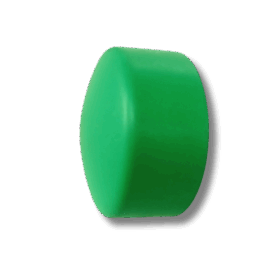
| End Cap | Closes the end of a pipe |
| Union | Allows easy disconnection during maintenance |
| Ball Valve | Controls or shuts off water flow |
| Female & Male Adapters | Connect PPR pipes to threaded fittings or fixtures |
Each fitting plays an important role in ensuring the plumbing system operates efficiently while minimizing the risk of leaks.
Staff picks
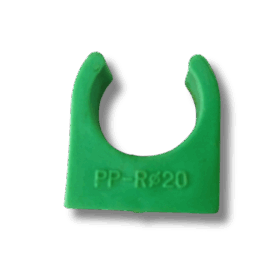
Why Quality PPR Fittings Matter
Choosing high-quality fittings is just as important as selecting quality pipes. Poor-quality fittings can become weak points in the plumbing system, increasing the likelihood of leaks, pressure loss, and costly repairs.
When purchasing PPR fittings, consider the following:
- Ensure the fittings match the pipe size.
- Use fittings from reputable manufacturers.
- Verify that the pressure rating is compatible with your plumbing system.
- Check for smooth, well-finished surfaces with no visible defects.
- Purchase fittings and pipes from the same brand whenever possible to ensure proper compatibility.
Although cheaper fittings may reduce your initial costs, investing in quality components helps improve the overall reliability and lifespan of your plumbing installation.
Common Applications of PPR Fittings
PPR fittings are used in almost every type of plumbing project, including:
- Residential homes
- Apartment buildings
- Commercial properties
- Hotels
- Hospitals
- Schools
- Industrial facilities
- Irrigation systems
Because they’re available in a wide range of configurations, PPR fittings make it possible to design plumbing systems that meet virtually any building requirement.
Advantages of PPR Pipes
PPR pipes have become one of the most trusted plumbing materials in Kenya because they offer long-term performance with minimal maintenance. Their unique properties make them suitable for residential, commercial, and industrial plumbing systems.
Corrosion Resistant
Unlike metal pipes, PPR pipes do not rust or corrode when exposed to water. This helps maintain water quality and extends the lifespan of the plumbing system.
Suitable for Hot and Cold Water
PPR pipes can safely transport both hot and cold water, making them ideal for kitchens, bathrooms, hotels, hospitals, and other buildings that require reliable water distribution.
Leak-Proof Joints
PPR pipes are joined using heat fusion welding, creating strong, seamless connections that significantly reduce the risk of leaks.
Long Service Life
When properly installed, high-quality PPR pipes can last for decades, making them a cost-effective investment for long-term plumbing projects.
Smooth Internal Surface
The smooth interior minimizes friction and scaling, allowing water to flow efficiently while reducing the likelihood of blockages.
Safe for Drinking Water
PPR pipes are manufactured from non-toxic materials that do not affect water quality, making them suitable for potable water systems.
Lightweight and Easy to Install
Compared to traditional metal pipes, PPR pipes are lightweight, making them easier to transport, handle, and install.
PPR Pipes vs PVC Pipes
PPR and PVC pipes are both widely used in plumbing, but they are designed for different applications. Understanding their differences can help you choose the right material for your project.
| Feature | PPR Pipes | PVC Pipes |
| Material | Polypropylene Random Copolymer | Polyvinyl Chloride |
| Hot Water | ✅ Suitable | ❌ Not recommended |
| Cold Water | ✅ Yes | ✅ Yes |
| Corrosion Resistance | Excellent | Excellent |
| Jointing Method | Heat fusion | Solvent cement |
| Lifespan | 50+ years (with proper installation) | Long-lasting under suitable conditions |
| Best Applications | Domestic and commercial plumbing | Drainage, irrigation, and cold water systems |
Which Should You Choose?
Choose PPR pipes if you’re installing a hot and cold water plumbing system that requires durability and leak-proof joints.
PVC pipes remain a practical choice for drainage systems, irrigation, and other cold-water applications where heat resistance is not required.
Factors Affecting PPR Pipe Prices
Several factors determine the price of PPR pipes in Kenya.
Pipe Size
Larger pipes require more material, making them more expensive than smaller diameters.
Pressure Rating (PN)
Pipes with higher pressure ratings, such as PN20 and PN25, generally cost more because they are designed to handle greater pressure and higher temperatures.
Brand and Quality
Well-known manufacturers often charge higher prices due to quality assurance, certifications, and product reliability.
Quantity Purchased
Bulk purchases may attract discounts, making them more economical for large construction projects.
Supplier and Delivery Costs
Prices can vary between suppliers, while transport costs may increase the final price, particularly for projects located far from distribution centres.
Tips for Buying PPR Pipes
Before purchasing PPR pipes, consider these practical tips to ensure you get the best value for your money.
- Choose the correct pipe size based on your plumbing design.
- Select the appropriate PN rating for your water pressure and temperature requirements.
- Buy compatible PPR fittings from the same manufacturer whenever possible.
- Compare quotations from multiple reputable suppliers.
- Check product certifications and warranty information.
- Work with a qualified plumber to ensure proper installation.
A quality plumbing system begins with selecting the right materials. Investing in certified PPR pipes and fittings can reduce maintenance costs and improve the long-term reliability of your water supply system.
Frequently Asked Questions
What are PPR pipes used for?
PPR pipes are primarily used for hot and cold water supply systems in residential, commercial, and industrial buildings.
Are PPR pipes better than PVC pipes?
For hot and cold water plumbing systems, PPR pipes are generally the better option because they offer excellent heat resistance and leak-proof heat-fused joints. PVC pipes are more suitable for drainage and cold-water applications.
How much do PPR pipes cost in Kenya?
Prices vary depending on the pipe size, pressure rating, and manufacturer. Smaller residential pipes are generally more affordable than larger commercial-grade pipes.
Which PPR pipe size is best for a home?
For most residential plumbing projects, 20mm and 25mm PPR pipes are commonly used for water distribution, while larger sizes are used for main supply lines where higher water demand exists.
What is the difference between PN20 and PN25 PPR pipes?
PN25 pipes are designed to withstand higher pressure than PN20 pipes, making them more suitable for demanding commercial or industrial applications.
How long do PPR pipes last?
With proper installation and normal operating conditions, quality PPR pipes can provide reliable service for 50 years or more.
Conclusion
PPR pipes have become the preferred plumbing solution in Kenya because they offer durability, corrosion resistance, and reliable performance for both residential and commercial water systems. Available in different pressure ratings and sizes, they can be adapted to suit everything from small domestic installations to large industrial projects.
When selecting PPR pipes, consider factors such as the pipe size, PN rating, intended application, and overall project budget. Pairing quality pipes with compatible fittings and professional installation will help ensure a safe, efficient, and long-lasting plumbing system.
Whether you’re building a new home or upgrading an existing water supply system, understanding the different types, sizes, and prices of PPR pipes will help you make an informed purchasing decision and get the best value for your investment.

Do you offer delivery services across the country?
Hi Hezron. Thank you for reaching out. No, our delivery services is within the Coastal region.